
Part Two: Smugglers
and Wreckers
However it came about,
my fascination with Cornwall endured, and I
confess to a visceral thrill when, soon after crossing the Tamar into Cornwall, I saw the sign
from the motorway: Jamaica Inn.


Yes, the Jamaica Inn
of Daphne DuMaurier’s novel still stands, much as it has done for more than
300 years, frowned over by the higher tors, its gray stone face frowning in
turn down on the rock walls and green fields below.

Now the building is a
combined hotel, pub and smuggling museum, in which Daphne Du Maurier and her
novels have pride of place. A tour bus
was leaving as we arrived, another arrived as we departed, but the querulous
voices of visitors could not drag me from my fictive dreams any more than a
train thundering by could wake Dick Young from his in The House on the Strand.
 Mary Yellan walked those fields in Du Maurier’s
imagination and in mine, to escape the oppressive atmosphere of the inn below
and the ever-imminent violence that brooded inside its landlord.
Mary Yellan walked those fields in Du Maurier’s
imagination and in mine, to escape the oppressive atmosphere of the inn below
and the ever-imminent violence that brooded inside its landlord.

The bar is rich in aged wood and it’s easy to imagine gangs of smugglers, wreckers, ruins that once were men, plotting their villainy over their pints.


The bar is rich in aged wood and it’s easy to imagine gangs of smugglers, wreckers, ruins that once were men, plotting their villainy over their pints.
There are two movie
versions of the novel, Jamaica Inn: one from 1939 (only three years after the
book was published) stars Charles Laughton and Maureen O’Hara in a typical
Hollywood adaptation that wipes much nuance from the novel along with several
key characters, and the other a 1983 tv movie starring a very young Jane
Seymour, which is a bit closer to the novel and, being in colour, effectively
utilizes the dramatic scenery of Cornwall.
Indeed, it is
impossible for a dedicated reader of DuMaurier to traverse Cornwall without seeing signs of her books
everywhere.
As we traveled away from Jamaica Inn, circling toward the northern coast, there was a sign for Saint Colomb, and instantly I was with Dona of that name as she scrambled down a woodland path toward Frenchman’s Creek. King Charles has fled England
 before the advancing Dutch armies of his daughter and her husband, leaving Catholics like Dona and her children in danger from emboldened Protestant lords and their soldiers. Dona falls hard for a Frenchman, formerly a pirate and now a French patriot, who hides his ship in the creek of the novel's title.
Seeing that sign brought it all back to me: the fraught political situation that chased Dona from London, the spies creeping around her manor house by night, her children's peril, her torn loyalties. That is the power of a master of the craft of fiction, to bring all that back a decade or more after my last reading of the novel.
That is the magic of Cornwall, to inspire masters of their craft to bring the place, the people, the essence of that land to readers all over the world. Would that I, one day, could bring some essence of my land to readers far away, that they, when they come at last to my forests and foothills, will remember half as much of my work.
As we traveled away from Jamaica Inn, circling toward the northern coast, there was a sign for Saint Colomb, and instantly I was with Dona of that name as she scrambled down a woodland path toward Frenchman’s Creek. King Charles has fled England
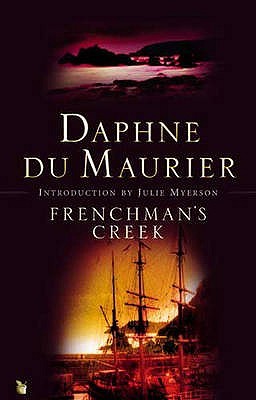
Seeing that sign brought it all back to me: the fraught political situation that chased Dona from London, the spies creeping around her manor house by night, her children's peril, her torn loyalties. That is the power of a master of the craft of fiction, to bring all that back a decade or more after my last reading of the novel.
That is the magic of Cornwall, to inspire masters of their craft to bring the place, the people, the essence of that land to readers all over the world. Would that I, one day, could bring some essence of my land to readers far away, that they, when they come at last to my forests and foothills, will remember half as much of my work.


